mass of christ the savior pdf
Tchaikovsky’s “Mass of Christ the Savior”, a monumental work, gains renewed accessibility through widespread PDF distribution, fostering study and performance․
Digital formats, like PDFs, empower musicians and scholars with convenient access to this significant piece of Russian Orthodox choral music, enhancing its reach․
The availability of the score in PDF format facilitates detailed analysis, rehearsal, and ultimately, a deeper appreciation for Tchaikovsky’s masterful composition․
Historical Context of the Composition
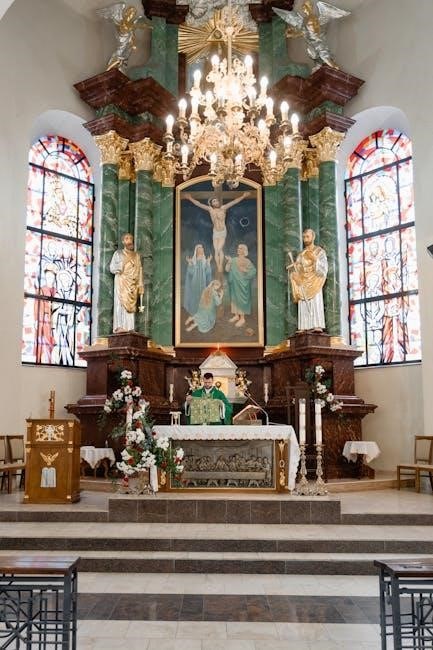
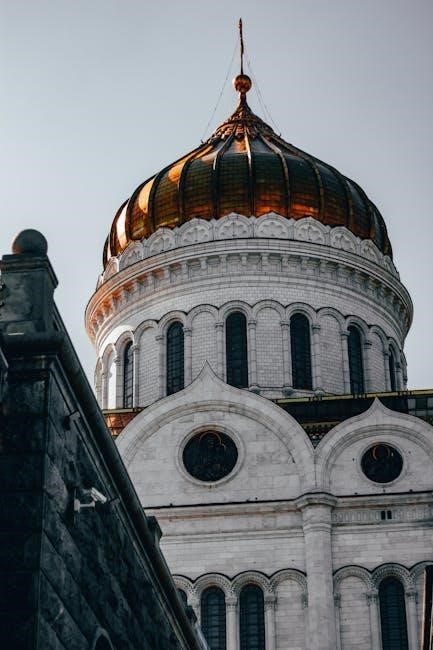
Commissioned in 1876 by the Holy Synod for the dedication of the Christ the Savior Cathedral in Moscow, Tchaikovsky’s “Mass of Christ the Savior” arose from a period of intense national and religious revival in Russia․ The cathedral itself was built to commemorate Russia’s victory in the Patriotic War of 1812, symbolizing both military triumph and spiritual devotion․
Tchaikovsky, though initially hesitant due to his secular compositional style, accepted the commission, viewing it as a patriotic duty․ He meticulously studied the traditions of Russian Orthodox choral music, incorporating elements of Znamenny chant while infusing the work with his characteristic harmonic richness and dramatic flair․ The PDF availability allows modern scholars to trace these influences․
The completion and premiere of the Mass coincided with growing tensions between the Russian Orthodox Church and the state, adding a layer of complexity to its reception․ Despite initial criticisms from some conservative circles, the work quickly gained recognition as a masterpiece of Russian sacred music, and the PDF format ensures its continued study․
Significance of the Work in Russian Orthodox Music
Tchaikovsky’s “Mass of Christ the Savior” represents a pivotal moment in Russian Orthodox musical history, bridging the gap between traditional choral styles and 19th-century Romanticism․ While rooted in the ancient Znamenny chant tradition, the work expands the harmonic and orchestral palette of Orthodox liturgical music, introducing a new level of expressive depth․
Its significance lies in Tchaikovsky’s ability to synthesize these seemingly disparate elements, creating a work that is both profoundly spiritual and dramatically compelling․ The PDF score allows detailed examination of this synthesis․ Prior Orthodox compositions often lacked the sophisticated orchestration and harmonic development found in Tchaikovsky’s Mass․
The work’s influence can be seen in subsequent generations of Russian composers who sought to revitalize Orthodox church music, and the PDF’s accessibility ensures its continued relevance for both performers and scholars alike, preserving its legacy․
Overview of the PDF Availability and Usage
The “Mass of Christ the Savior” PDF score is widely available through various online music libraries, church music publishers, and potentially, through institutional repositories․ This digital format has dramatically increased access for choirs, conductors, and musicologists globally, removing geographical barriers to study and performance․
Usage ranges from individual study and rehearsal preparation to large-scale choral performances․ The PDF format facilitates easy annotation, marking of vocal parts, and digital sharing amongst ensemble members․ Furthermore, the searchable text allows for quick identification of specific passages or themes within the score․
However, users should be mindful of potential copyright restrictions and licensing requirements when distributing or performing from the PDF, ensuring compliance with intellectual property laws․ The PDF’s portability also aids in convenient access during rehearsals and performances․
Understanding the Musical Structure
Tchaikovsky’s “Mass” intricately blends traditional liturgical forms with innovative harmonic language, creating a powerful and emotionally resonant musical experience for performers․
Liturgical Framework and Placement
Tchaikovsky’s “Mass of Christ the Savior” meticulously follows the standard Orthodox Divine Liturgy, structured around the fixed texts and musical movements integral to the service․ The PDF score reflects this framework, presenting the Kyrie, Gloria, Credo, and Sanctus in their traditional sequence․
Each section’s placement within the Liturgy dictates its character and function; for example, the solemnity of the Credo contrasts with the joyful exuberance of the Gloria․ The PDF allows for a clear visualization of this progression, aiding both performers and listeners in understanding the work’s liturgical context․
The composition isn’t a setting of the entire Liturgy, but rather selects key portions, amplifying their theological and emotional weight․ Studying the PDF alongside a liturgical text reveals Tchaikovsky’s deliberate choices and artistic interpretation of these sacred words․
Key Musical Forms Employed (Znamenny Chant)
Tchaikovsky’s “Mass of Christ the Savior” skillfully integrates elements of Znamenny Chant, the ancient melodic tradition of Russian Orthodox Church singing, within a late-Romantic harmonic language․ The PDF score reveals how he adapted and re-imagined these archaic melodies․
While not a strict adherence to Znamenny Chant’s modal and rhythmic characteristics, Tchaikovsky evokes its spirit through melodic contours and the use of specific vocal timbres․ The PDF allows detailed examination of how these influences are woven into the larger compositional fabric․
He doesn’t simply quote Znamenny Chant; rather, he transforms it, creating a unique synthesis of old and new․ The PDF facilitates tracing these transformations, understanding how Tchaikovsky honored tradition while forging his own distinctive style․
Vocal Ranges and Choir Requirements
“Mass of Christ the Savior” demands a substantial choral force, typically requiring a mixed choir of SATB (Soprano, Alto, Tenor, Bass) voices, often augmented with divisi sections to achieve its rich harmonic textures․ The PDF score clearly delineates these vocal ranges․
Soprano lines extend to high C, demanding skilled and agile singers․ Bass parts descend to a low E-flat, requiring robust and resonant lower voices․ Tenors and Altos occupy intermediate ranges, contributing to the overall harmonic fullness․ The PDF provides precise pitch information․
A choir capable of navigating complex polyphony and maintaining consistent intonation is essential․ The PDF’s detailed notation aids in rehearsal, allowing conductors to prepare singers for the work’s technical challenges․ A large choir is ideal for optimal impact․
The PDF Format and its Advantages
PDFs offer convenient, portable access to the “Mass of Christ the Savior” score, enabling easy distribution, study, and digital manipulation for musicians․
Accessibility and Distribution of the Score
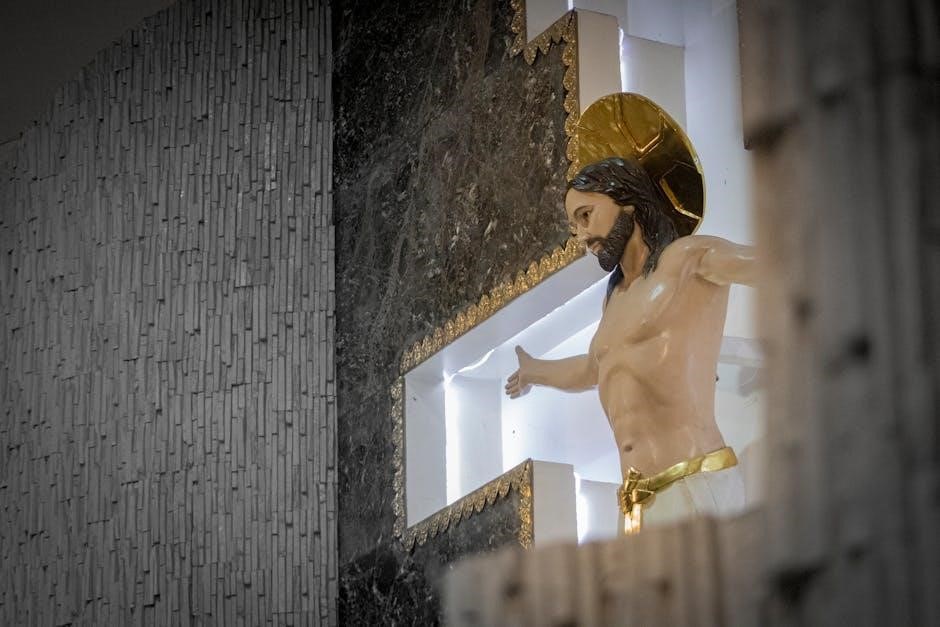
The proliferation of the “Mass of Christ the Savior” in PDF format dramatically increases its accessibility to choirs, scholars, and enthusiasts globally․ Previously, obtaining a full score required locating a physical copy, often through specialized church music publishers or libraries, presenting logistical and financial hurdles․
Now, digital distribution via online music libraries and dedicated websites allows instant access for a relatively low cost, or even free in some cases․ This democratization of access is particularly beneficial for smaller or geographically isolated ensembles․ The PDF format eliminates the need for physical shipping, reducing costs and environmental impact․
Furthermore, the ease of sharing PDFs – while mindful of copyright considerations – facilitates collaborative study and rehearsal among geographically dispersed choir members․ This widespread availability fosters a renewed interest in performing and analyzing Tchaikovsky’s masterpiece․
Digital Editing and Manipulation Capabilities
The PDF format of “Mass of Christ the Savior” offers functionalities beyond simple score viewing․ Musicians can utilize PDF editing software to annotate the score with rehearsal markings, dynamic instructions, or vocal part assignments․ Digital tools allow for adjustments to playback speed, facilitating learning complex passages․
Choir directors can easily extract individual vocal parts for focused rehearsal, creating customized practice materials․ Furthermore, the ability to digitally manipulate the score enables transposition for different vocal ranges or instrumentation, though careful consideration of musical integrity is crucial․
Software can also assist in analyzing harmonic progressions or melodic contours, aiding in deeper musical understanding․ While respecting the composer’s intent, these digital capabilities empower performers to engage with the score in innovative and personalized ways, enhancing both rehearsal efficiency and artistic interpretation․
Searchability and Text-Based Analysis
The PDF format of “Mass of Christ the Savior” unlocks powerful search capabilities, allowing users to quickly locate specific musical phrases, textual passages in Church Slavonic, or harmonic structures within the score․ This feature is invaluable for researchers and performers alike, streamlining the process of identifying recurring motifs or analyzing thematic development․
Text-based analysis tools can be employed to study the liturgical text, revealing connections between the music and the theological meaning of the service․ Furthermore, the digital format facilitates comparative analysis with other choral works or musical styles․
Researchers can efficiently identify instances of specific compositional techniques or harmonic patterns, contributing to a deeper understanding of Tchaikovsky’s musical language․ The searchable nature of the PDF enhances scholarly exploration and performance preparation․
Analyzing the Score – Key Sections
The PDF score enables focused examination of sections like the Cherubic Hymn, Lord’s Prayer, and Creed, revealing Tchaikovsky’s compositional brilliance and harmonic choices․
Cherubic Hymn – Musical Characteristics
The Cherubic Hymn, readily accessible within the “Mass of Christ the Savior” PDF, showcases Tchaikovsky’s masterful use of choral textures and harmonic color․ The PDF allows for detailed study of its flowing melodic lines, often characterized by stepwise motion and a sense of ethereal beauty․
Analyzing the score reveals a predominantly homophonic texture, where the voices move together rhythmically, emphasizing the hymn’s lyrical quality․ However, subtle polyphonic elements emerge, adding depth and complexity․ The harmonic language, visible in the PDF, is rich and expressive, employing frequent use of suspensions and altered chords to create a sense of reverence and spiritual intensity․
The dynamic range within the PDF score demonstrates a careful shaping of the hymn’s emotional arc, building to climactic moments before receding into quieter, more introspective passages․ The availability of the PDF facilitates a granular understanding of these nuances, allowing conductors and performers to interpret the hymn with greater insight and sensitivity․
Lord’s Prayer – Harmonic and Melodic Analysis
The “Lord’s Prayer” section, easily examined within the “Mass of Christ the Savior” PDF, presents a compelling study in Tchaikovsky’s harmonic and melodic approach․ The PDF score reveals a predominantly modal harmonic language, rooted in the traditions of Russian Orthodox chant, yet infused with Romantic-era chromaticism․
Melodically, the prayer unfolds with a sense of solemnity and devotion, characterized by a relatively narrow range and a predominantly stepwise contour․ The PDF allows close inspection of the subtle melodic variations introduced with each phrase, enhancing the prayer’s expressive power․
Harmonic analysis, facilitated by the PDF’s clear notation, reveals frequent use of suspensions and appoggiaturas, creating a sense of yearning and spiritual longing․ The interplay between major and minor tonalities adds emotional depth, reflecting the prayer’s profound theological significance․ The PDF’s accessibility unlocks a deeper understanding of Tchaikovsky’s compositional choices․
Creed – Structure and Vocal Complexity
The “Creed” section, readily available for study in the “Mass of Christ the Savior” PDF, showcases Tchaikovsky’s mastery of choral writing and large-scale structure․ The PDF score reveals a complex polyphonic texture, with multiple independent vocal lines interwoven to create a rich and dynamic soundscape․
Structurally, the Creed is divided into distinct sections, each corresponding to a specific tenet of faith․ The PDF allows for easy tracking of these sections and their corresponding musical themes․ Vocal complexity is heightened by the use of intricate harmonies and challenging rhythmic patterns, demanding a high level of skill from the choir․
Analysis of the PDF demonstrates Tchaikovsky’s skillful use of dynamics and articulation to emphasize key phrases and create a sense of dramatic intensity․ The detailed notation within the PDF is crucial for understanding the nuances of this demanding choral work․
Performance Practice Considerations
The PDF score illuminates authentic Russian Orthodox choral techniques, demanding precise vocal control and a nuanced understanding of Znamenny chant traditions․
Successful performances require careful attention to acoustic spaces and interpretive choices guided by the PDF’s detailed notation․
Traditional Russian Orthodox Choral Techniques
Performing Tchaikovsky’s “Mass of Christ the Savior”, as facilitated by the PDF score, necessitates a deep immersion in traditional Russian Orthodox choral practices․ These techniques differ significantly from Western choral traditions, emphasizing a unique vocal production and ensemble blend․
Historically, Russian Orthodox choirs favored a non-blended sound, where individual vocal lines retain clarity and distinctness․ The PDF score reveals the intricate polyphony demanding precise intonation and rhythmic accuracy from each voice part․ A key element is the use of znamenny chant influence, requiring a specific resonance and melodic shaping․
Breath control is paramount, with sustained phrases and a focus on legato phrasing․ The PDF’s notation guides singers in achieving the appropriate dynamic contrasts and expressive nuances characteristic of the liturgical context․ Furthermore, understanding the historical performance practice—often a cappella in dimly lit spaces—informs the interpretation and overall aesthetic of the work․
Interpretation of Znamenny Chant Notation
Decoding the Znamenny chant elements within the “Mass of Christ the Savior” PDF score requires specialized knowledge․ This ancient notation system, predating modern staff notation, utilizes “znamen” – symbols indicating melodic contours and rhythmic patterns, rather than precise pitches and durations․
The PDF often presents modernized transcriptions, but understanding the original intent is crucial․ Interpreters must grasp the principles of modal singing and the subtle nuances conveyed by the znamen․ These symbols suggest melodic gestures, requiring singers to imbue the lines with expressive phrasing and ornamentation․
Historically, znamenny chant was transmitted orally, with notation serving as a mnemonic aid․ The PDF score, therefore, necessitates a blend of analytical study and intuitive musicality to reconstruct the authentic sound world․ Careful attention to the melodic shapes and rhythmic flexibility inherent in the znamen is essential for a faithful performance․
Acoustic Requirements for Optimal Performance
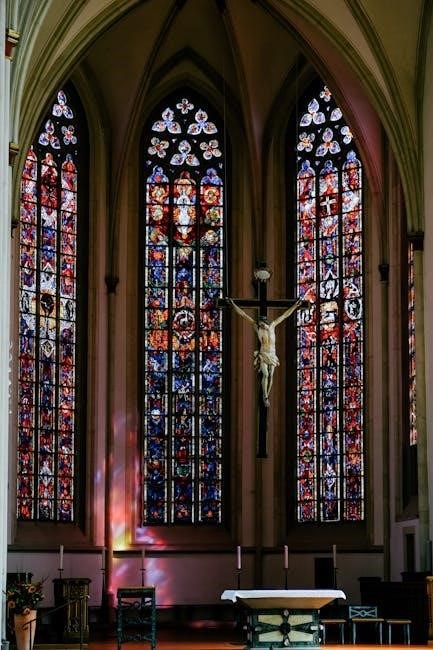
Performing Tchaikovsky’s “Mass of Christ the Savior”, even utilizing a readily available PDF score, demands careful consideration of the performance space․ The work’s rich harmonic texture and expansive choral writing necessitate a venue with substantial reverberation – ideally a large church or concert hall․
A generous acoustic allows the complex harmonies to blend and resonate, creating the intended atmosphere of solemnity and grandeur․ Conversely, a dry acoustic can render the sound thin and lack the necessary depth․ The PDF score’s dynamic markings should guide adjustments to balance clarity and resonance․
Optimal acoustics also support the projection of the choir’s sound, ensuring audibility throughout the space․ Careful microphone placement, if amplification is used, is crucial to avoid artificiality and preserve the natural acoustic qualities․ The goal is to create an immersive sonic experience for the audience․
Sources for Obtaining the PDF
Reliable online music libraries and specialized church music publishers offer the “Mass of Christ the Savior” PDF score, ensuring legal access and quality․
Exploring these resources provides convenient options for acquiring the score for study and performance purposes․
Reputable Online Music Libraries
Several online music libraries provide access to digitized scores, including potentially the “Mass of Christ the Savior” in PDF format․ IMSLP (International Music Score Library Project) is a prime example, offering a vast collection of public domain scores, though availability of this specific work may vary due to copyright restrictions․
Other potential sources include university library digital collections, which often house digitized music manuscripts and scores․ Searching the catalogs of institutions with strong music programs can yield results․ However, access may be limited to affiliated students and faculty․
Always verify the legitimacy of the source and ensure the PDF is a legally obtained copy to respect copyright laws․ Be cautious of websites offering free downloads from questionable sources, as these may contain malware or inaccurate transcriptions․ Prioritize libraries and publishers known for their commitment to accurate and legal score distribution․
Church Music Publishers and Websites
Dedicated church music publishers are key resources for obtaining the “Mass of Christ the Savior” PDF․ Publishers specializing in Orthodox choral music often hold the rights to distribute accurate, professionally prepared scores․ Octavos Publishing and similar companies may offer digital versions for purchase or download․
Websites of prominent Orthodox churches or dioceses sometimes provide links to approved music resources, including downloadable scores․ These sources generally ensure copyright compliance and offer reliable editions․ Exploring websites associated with Russian Orthodox traditions is particularly fruitful․
Expect to encounter a purchase fee for legally obtained PDFs from these sources, reflecting the cost of music preparation and copyright permissions․ Supporting these publishers ensures the continued availability of high-quality choral music․
Potential Copyright and Licensing Issues
Copyright law protects Tchaikovsky’s “Mass of Christ the Savior,” even though the composer has been deceased for over a century․ The specific arrangement or edition of the PDF score may still be under copyright, held by publishers or arranging entities․
Unauthorized distribution or reproduction of copyrighted PDFs constitutes infringement and is illegal․ Obtaining the score from reputable sources ensures compliance with copyright regulations․ Churches and choirs intending to perform the work publicly may require a performance license․
Licensing fees support composers, arrangers, and publishers, enabling the creation of new musical works․ Always verify the licensing terms before using the PDF for performance or distribution․ Ignoring these issues can lead to legal repercussions․
Advanced Study of the Composition
Scholarly exploration of the PDF reveals stylistic influences and liturgical context, comparing it to other Russian Orthodox masses for deeper understanding․
Comparative Analysis with Other Russian Orthodox Masses
Examining the PDF score alongside works by Rachmaninoff, Bortniansky, and Chesnokov reveals Tchaikovsky’s unique harmonic language and structural choices within the tradition․ While earlier composers often prioritized strict adherence to Znamenny chant principles, Tchaikovsky demonstrates a greater willingness to incorporate Western harmonic practices, creating a richer, more emotionally expressive texture․
The PDF allows for side-by-side comparison of vocal part writing, revealing Tchaikovsky’s sophisticated use of polyphony and his innovative approach to choral voicing․ Analyzing the treatment of liturgical texts in different masses highlights Tchaikovsky’s distinctive interpretive style․ Furthermore, the digital format facilitates detailed study of the rhythmic complexities and melodic contours, showcasing how Tchaikovsky both honors and transcends the conventions of Russian Orthodox choral music․
Historical Influences on Tchaikovsky’s Style
The PDF score illuminates how Tchaikovsky synthesized diverse musical influences in composing his “Mass of Christ the Savior․” Rooted in Russian Orthodox choral tradition, the work also reflects exposure to Western European composers like Mozart and Bach, evident in its harmonic sophistication and contrapuntal techniques․
Analyzing the score reveals a blending of traditional Znamenny chant with Romantic-era orchestral thinking, adapted for a purely vocal ensemble․ Tchaikovsky’s training in Western compositional methods, coupled with his deep understanding of Russian liturgical music, shaped his unique stylistic voice․ The PDF format allows detailed examination of these influences, tracing their manifestation in melodic contours, harmonic progressions, and overall structural design, showcasing a masterful fusion of East and West․
The Role of the Church Slavonic Language
The PDF score of “Mass of Christ the Savior” underscores the integral role of Church Slavonic in shaping the work’s character and expressive power․ Tchaikovsky meticulously set the liturgical texts, paying close attention to the nuances of the language’s pronunciation and rhythmic patterns․
Church Slavonic, with its archaic vocabulary and melodic contours, profoundly influenced the musical phrasing and harmonic choices․ The PDF allows scholars to correlate specific textual elements with musical motifs, revealing Tchaikovsky’s sensitivity to the language’s spiritual and aesthetic qualities․ Understanding the linguistic context enhances appreciation for the work’s theological depth and artistic intent, demonstrating how the composer skillfully integrated text and music to create a profoundly moving liturgical experience․