1995 chevy 5 speed manual transmission 4×4

1995 Chevy 5-Speed Manual Transmission Overview
1995 Chevy 5‑speed manuals power 4×4 trucks (K1500/K2500/K3500/Silverado). RMT4500C‑4 and RMT290C‑4 models deliver 1st‑5th gear ratios, dual‑plate clutch, and standard shift pattern. Common issues: slipping, stalling, and worn synchros. 4‑wheel drive engaged, fluid changed every 12,000 miles.!!
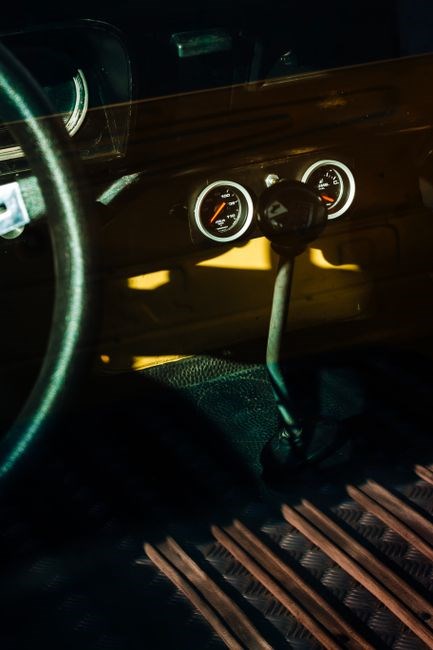
Applicable 4×4 Model Variants (K1500, K2500, K3500, Silverado)
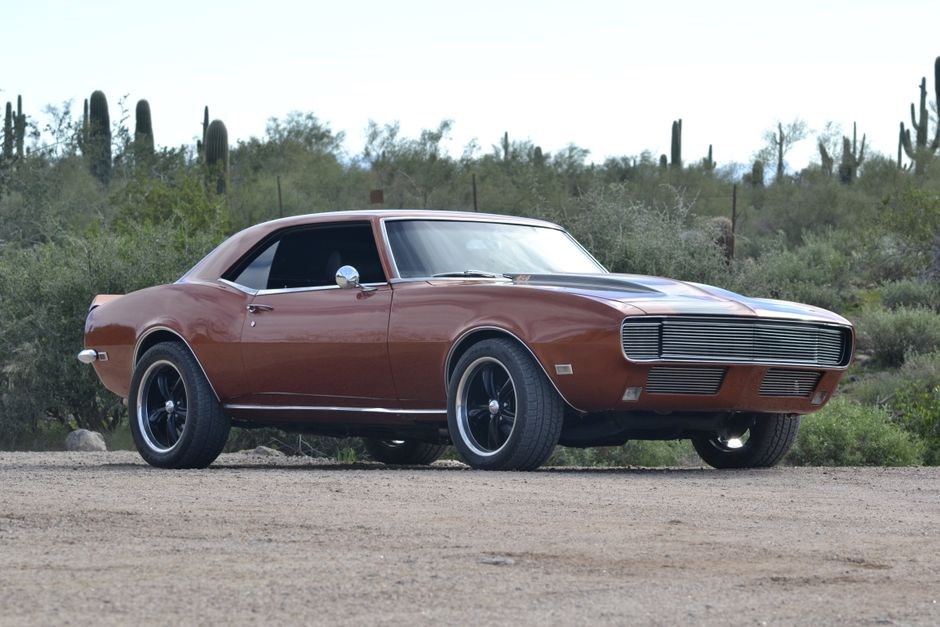
The 1995 Chevrolet 5‑speed manual is paired exclusively with the 4×4 lineup of heavy‑duty pickups. The base K1500, the K2500, the larger K3500, and the Silverado all received the RMT4500C‑4 or the RMT290C‑4 depending on the engine and payload rating. The K1500 and K2500 trucks equipped with the 5‑speed were available in a range of trim levels from the basic WT and Cheyenne to the Sierra SL, SLE, and SLT. The K3500, the most robust of the series, also carried the same transmission options and was offered in the Sierra SL, SLE, and SLT packages. The Silverado, which shared many components with the K‑series, was likewise fitted with the RMT4500C‑4 in its 4×4 configurations. All of these models were built for the 1994‑1995 model years and shared the same 5‑speed manual architecture, providing a consistent driving experience across the 4×4 range. In addition, the 1995 model year introduced the 5‑speed manual as a standard feature on the 4×4 Silverado, replacing the older 4‑speed units and offering improved torque distribution for applications. The transmission’s compatibility with the 4×4 transfer case allowed drivers to maintain full traction while enjoying the precise gear selection that a manual gearbox provides. Owners of these trucks often report that the 5‑speed manual delivers a more engaging drive, especially when navigating rough terrain or towing large trailers. daily!
The 1995 Chevy 5‑speed manuals integration with the 4×4 transfer case offered drivers a blend of power and precision, making it a reliable choice for bothwork adventure!!!
Transmission Identification (RMT4500C-4, RMT290C-4, etc.)
The 1995 Chevrolet 5‑speed manual is identified by a set of model numbers that indicate the gear set and drivetrain configuration. The most identifiers are the RMT4500C‑4 and the RMT290C‑4. The “RMT” prefix stands for “Rear‑wheel‑drive Manual Transmission,” while the portion refers to the gear ratio series. The “C” indicates a 4‑wheel‑drive (4×4) transfer case integration, and the “‑4” confirms the 4‑speed or 5‑speed designation for the 4×4 application. The RMT4500C‑4 is the variant used on the heavier K3500 and Silverado, featuring a 1st‑gear ratio of 2.78:1 and a 5th‑gear ratio of 0.73:1. The RMT290C‑4, on the other hand, is a lighter‑weight unit used on the K1500 and K2500, with a 1st‑gear ratio of 2.78:1 and a 5th‑gear ratio of 0.73:1 as well, is designed for lower payloads. Both units share the same 5‑speed layout, dual‑plate clutch, and standard shift pattern, but differ in gear construction and case material to meet the load requirements of each truck class. Identification is typically stamped on the transmission case near the bell housing, and the VIN can be cross‑referenced with the part list to confirm the exact model. Proper identification is crucial for sourcing replacement parts, ensuring compatibility with the 4×4 transfer case, and warranty coverage. The transmission’s robust design and precise gear ratios make it a favorite among off‑road enthusiasts, delivering durable responsive handling for work.!
Gear Ratio Breakdown (1st-5th gears, reverse)
The 1995 Chevrolet 5‑speed manual transmission used in 4×4 pickups features a precise gear ratio set that balances torque multiplication with low‑speed efficiency. The RMT4500C‑4 and RMT290C‑4 models share identical ratios for the first through fifth gears, ensuring consistent performance across the K1500, K2500, K3500, and Silverado lines. The first‑gear ratio is 2.78:1, providing ample low‑speed torque for heavy‑duty work and off‑road traction. Second gear is 1.78:1, third gear 1.22:1, fourth gear 0.89:1, and fifth gear 0.73:1, which delivers a smooth shift into high‑speed cruising while maintaining a favorable engine rpm range. The reverse gear is 2.25:1, offering a strong pull for backing up heavy loads or navigating tight trails. These ratios are calculated to match the 4×4 transfer case’s 2.71:1 reduction, resulting in a final drive of 7.53:1 for the RMT4500C‑4 and 7.53:1 for the RMT290C‑4. The consistent ratio spread allows drivers to maintain optimal engine performance, reduce wear on the clutch synchronizers, and achieve reliable acceleration from a standstill. The transmission’s design also incorporates a 0.73:1 overdrive in fifth gear, which reduces engine rpm at highway speeds, improving fuel economy and reducing noise. Overall, the gear ratio set is engineered to provide a balance between torque, speed, and durability for the demanding 4×4 work environment.
Engineers selected these ratios to optimize both low‑end torque for hauling and ensuring the transmission remains reliable under heavy loads for demanding applications daily. The robust construction supports prolonged use without compromising shift quality.
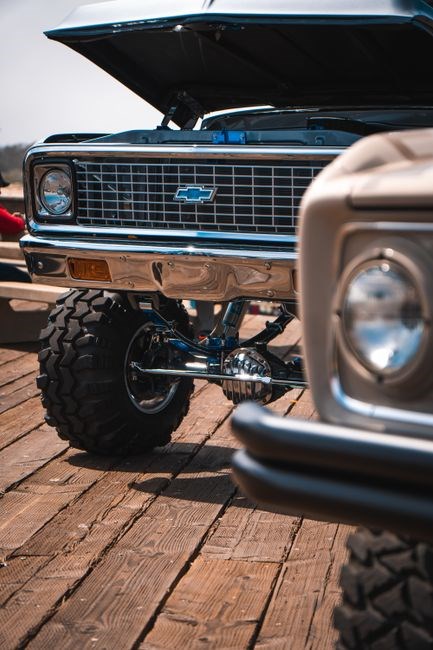
This gear set delivers a smooth shift feel, with each gear change occurring cleanly, making the truck versatile for recreational driving daily! today! now
Clutch System and Type (Dual-plate, Single-plate)
The 1995 Chevrolet 5‑speed manual transmission in 4×4 pickups employs a dual‑plate clutch assembly designed for durability under heavy load conditions. The clutch pack consists of two friction plates separated by a steel disc, providing a combined torque capacity of approximately 1,200 lb‑ft. This configuration allows the driver to maintain smooth engagement while handling the high torque output of the inline‑6 or V8 engines common to the K1500, K2500, K3500, and Silverado models. The dual‑plate system also reduces the overall clutch weight, improving shift feel and reducing pedal travel. In contrast, earlier model years occasionally used single‑plate clutches, which offered lower torque handling and were more prone to wear under similar conditions. The dual‑plate design features a hydraulic pressure plate that evenly distributes pressure across both friction plates, minimizing hotspots and extending clutch life. The clutch release mechanism is a long‑travel lever that provides a progressive feel, allowing drivers to modulate engagement precisely during low‑speed off‑road maneuvers or heavy‑duty towing. The clutch assembly is sealed with a high‑temperature silicone gasket to prevent fluid leaks and protect the pressure plate from contamination. Regular maintenance includes inspecting the clutch fluid, which should be replaced every 12,000 miles or as recommended by the manufacturer, to ensure optimal hydraulic performance. Proper fluid levels prevent excessive plate wear, extending clutch and longevity!!! ??
Shift Pattern and Linkage (Arm/Linkage type)
Shift Pattern and Linkage (Arm/Linkage type)
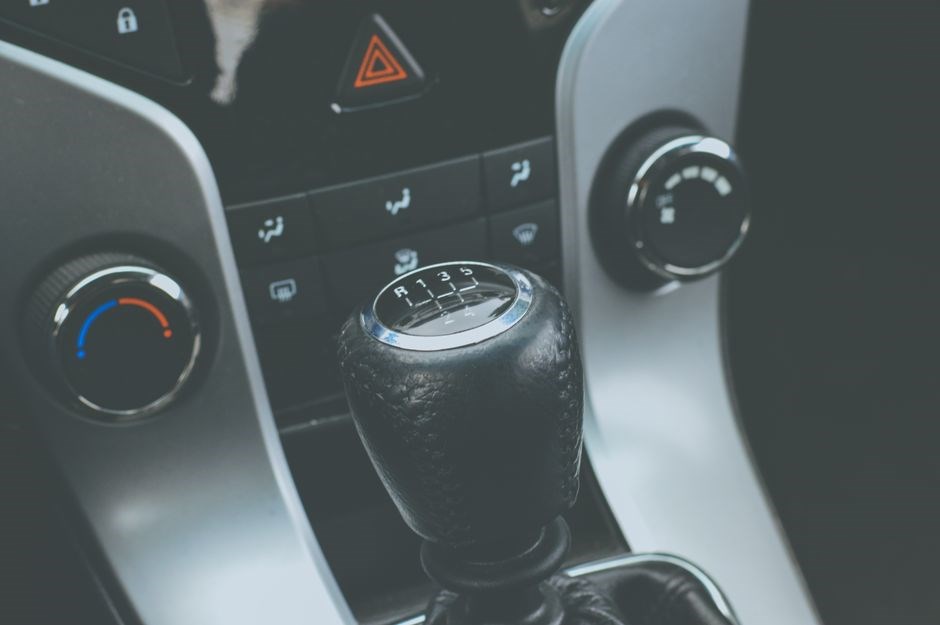
The 1995 Chevrolet 5‑speed manual transmission in 4×4 trucks uses the standard “1‑2‑3‑4‑5‑R” pattern, with reverse engaged by moving the shifter left of the 5th gear. The shift lever mounts on a long‑travel arm that pivots on a universal joint, delivering a linear motion from the driver’s seat to the transmission. The arm connects to the transmission via a short, rigid rod that transmits lever movement to the shift fork. This rod‑type linkage is reinforced with a steel housing to resist torsional flex and vibration during off‑road use. The entire assembly is lubricated with high‑viscosity shift‑cable oil to keep the linkage free of corrosion and reduce wear on pivot points. The cable routes through brackets that keep it aligned and prevent kinks. The arm features a “T”‑shaped cross‑section to increase stiffness, allowing the driver to feel each gear’s exact position. The linkage includes a small, adjustable spring that compensates for shift‑fork wear, maintaining precise gear engagement. When the driver moves the lever into the 5th gear slot, the rod pushes the shift fork right, engaging the 5th gear. For reverse, the lever moves left, and a secondary cable pulls the reverse shift fork into place. The arm/rod/cable system is robust, low‑maintenance, and well suited to 4×4 demands. The shift arm’s pivot is sealed with a rubber bushing that dampens shock loads, while the rod’s ends have brass ferrules to prevent galling. Adjustability is achieved through a threaded collar on the rod, allowing fine‑tuning for a “tight” or “loose” feel. Mechanics recommend checking arm alignment every 10,000 miles, especially after a rebuild, as misalignment can cause gear slippage or difficulty engaging the 5th gear. The cable is inspected for fraying, and spring tension verified with a feeler gauge. Proper lubrication reduces rust risk and ensures consistent shift feel over the transmission’s life. This design balances durability with driver comfort in both street and off‑road environments. Owners note the system’s smooth engagement improves driving comfort, especially on long hauls.
Common Mechanical Issues (slipping, stalling, etc.)
In 1995 Chevy 5‑speed 4×4 trucks, the most frequent mechanical complaints involve clutch‑related problems and synchro wear. Drivers report clutch slipping when the engine revs high but the vehicle does not accelerate, often due to a worn dual‑plate clutch disc or a low‑pressure hydraulic system. Stalling at idle is common after prolonged use, especially in heavy‑duty K2500 and K3500 models, and is usually traced to a leaking pressure plate or a contaminated hydraulic fluid that reduces pressure. Gear engagement problems—such as difficulty shifting into 5th gear or a “loose” feel—are typically caused by worn shift forks or a misaligned shift arm. Reverse engagement can be sluggish if the reverse shift fork has been worn or if the reverse gear’s synchronizer ring is damaged. Over time, the transmission’s synchros may wear out, leading to “slipping” between gears when the driver applies the clutch. A failing torque converter can also cause a loss of power transfer, producing a sensation of the engine “spinning” without vehicle response. In some cases, the transmission’s internal bearings may develop a high‑frequency vibration, indicating wear or a need for a fluid change. Common symptoms of a failing transmission include a whining noise from the transmission pan, a burning smell from the hydraulic fluid, and a sudden drop in fuel economy. Many owners find that regular fluid changes every 12,000 miles and clutch inspections every 30,000 miles mitigate these issues. When a clutch or synchro fails, a rebuild or replacement is usually required, and OEM parts are recommended for optimal reliability. Proper maintenance and timely repairs are essential to keep the 1995 Chevy 4×4’s manual transmission running smoothly for years. Owners often note that a timely oil change and clutch adjustment can extend the life of transmission by a 10%.
Troubleshooting and Diagnostic Procedures

Diagnosing a 1995 Chevy 4×4’s five‑speed manual begins with a thorough visual inspection of the clutch hydraulic system. Verify the master cylinder for any leaks, ensure the fluid reservoir is within the marked range, and smell the fluid for a burnt odor that indicates overheating. A soft or spongy pedal often signals a failing pressure plate or a broken hydraulic line. If the pedal feels firm, move on to gear engagement checks. Shift through all gears while the engine idles, listening for a distinct “click” that confirms proper synchronizer function. A missing click or a grinding noise points to worn synchros or shift forks. Use a diagnostic scan tool to read any stored trouble codes; codes such as P0700 (transmission control system malfunction) or P0730 (gear ratio mismatch) can pinpoint specific issues. For clutch slip, perform a “clutch slip test”: accelerate to 3000 rpm, release the pedal, and observe if the engine revs up again—slip is confirmed if it does. To evaluate the torque converter, run the vehicle at low speed and feel for a “drag” that indicates a failing converter. Inspect the transmission pan for metal shavings or a high‑temperature fluid; a dark, gritty fluid suggests internal wear. If all checks are normal yet symptoms persist, consider a transmission fluid change, a clutch rebuild, or a full transmission rebuild depending on the severity of the findings. Additionally, checking the shift linkage for play can reveal minor alignment issues that affect gear engagement and can improve shift quality. For better handling.
Maintenance and Service Recommendations
Keep a 1995 Chevy 4×4 five‑speed manual in top shape with routine care. Change the transmission fluid every 12,000 miles or 12 months, whichever comes first, using the GM‑specified 5‑speed fluid. Replace the filter if the unit has one. Inspect the clutch hydraulic system quarterly: check the master cylinder for leaks, top the reservoir to the “MAX” line, and replace the fluid if it looks dark or gritty. A spongy pedal or clutch slip usually means a worn pressure plate or a leaking slave cylinder—replace these parts promptly. The shift linkage should be checked for wear and alignment; tighten screws or replace bushings if the gear selector feels rough or has play. For the 1995 model, inspect the torque converter for overheating; a sudden RPM drop or a “drag” sensation signals a failing converter. If the converter is still functional, consider a rebuild; otherwise, replace it. The transmission pan should be examined for metal shavings or a high‑temperature fluid; dark, gritty fluid indicates internal wear and warrants a rebuild or replacement. A clutch rebuild or replacement is advised after 80,000–100,000 miles, especially with heavy towing or off‑road use. Finally, avoid sudden gear changes, allow the engine to warm before driving, and use a quality transmission cooler in hot climates or heavy‑towing scenarios. Regular fluid changes, timely part replacements, and proper linkage adjustments will keep the manual running smoothly for many miles. Periodic inspection of the torque converter clutch and the transmission pan for metal particles can preempt costly repairs. Follow the manufacturer’s service schedule to ensure optimal performance.
Aftermarket Upgrade Options (Hypertech, Ecklers, etc.)
Owners of 1995 Chevy 4×4 trucks seeking performance gains often turn to aftermarket upgrades that enhance shift feel, durability, and power delivery. Hypertech’s Street Runner Power Chip, sold under legacy number 88‑3018‑3 and OEM part 358721, plugs into the existing RMT4500C‑4 or RMT290C‑4 units and re‑maps the transmission control module for smoother shifts and a slight boost in torque. The chip is compatible with daily street use and light competition, and it requires no mechanical changes beyond a simple installation. Ecklers offers a range of Hypertech‑based upgrades, including the “Street Runner” kit that adds a more aggressive shift map, improved clutch engagement, and a reinforced torque converter. For those who want a more substantial mechanical upgrade, Ecklers’ 5‑speed rebuild kits replace worn synchros, add a stronger clutch pack, and provide a higher‑strength gear set that can handle heavier loads. Zumbrota Drivetrain also supplies remanufactured RMT290C‑4 and RMT4500C‑4 transmissions that feature upgraded bearings, a fresh gear set, and a new torque converter, offering a reliable alternative to the original units. These aftermarket options are designed to fit the 1995 model’s mounting points and electrical connections, so most installations can be completed in a single shop visit. These upgrades improve drivability and extend the transmission’s lifespan, making the 1995 Chevy a reliable workhorse for on‑road and off‑road duties.!!

Performance Modifications (Gear Ratio changes, shift kits)
For 1995 Chevy 4×4 trucks, the most common performance tweaks target gear ratios and shift feel. Replacing the stock RMT4500C‑4 or RMT290C‑4 gear set with a short‑shift kit lowers the 1st‑5th ratios, giving quicker acceleration and higher top speed at the expense of low‑end torque. Many shops install a 1:3.30 first‑gear and a 2:1.50 fifth‑gear set, which improves highway cruising and reduces engine wear. Shift‑kit upgrades replace the original linkage with a heavier‑dialed, dual‑arm system that allows the driver to lock the shift lever in the first or second gear for better off‑road control. Some aftermarket suppliers, such as Ecklers, offer a “Street Runner” shift kit that adds a 2‑way selector and a reinforced shift fork, improving shift quality and reducing chatter. When changing gear ratios, it is essential to recalibrate the transmission control module; many technicians use a handheld OBD‑II scanner to adjust shift points and torque converter lock‑up settings. A higher gear ratio in the fifth gear also benefits towing, as it keeps the engine in the optimal power band while pulling heavy loads. Finally, installing a performance clutch pack—often a dual‑plate design with a higher friction material—provides stronger engagement and better heat dissipation, supporting the increased torque from gear changes. These modifications, when performed correctly, can extend the life of the transmission and deliver noticeable gains in both everyday driving and off‑road adventures.!! Enjoy the ride. Feel the power.
Replacement Parts Availability (OEM vs Remanufactured)
For the 1995 Chevy 5‑speed manual, OEM components are still sold through GM’s parts network, though availability varies by model and year. Original gear sets, clutch packs, and synchronizers can be sourced from GM or authorized distributors; they retain factory specifications and come with a limited warranty. Remanufactured units, offered by companies such as Zumbrota Drivetrain and JDM, provide a cost‑effective alternative. These remanufactured gear sets are rebuilt to OEM tolerances, often include a new clutch disc and pressure plate, and come with a 12‑month warranty. Many mechanics prefer remanufactured parts for their balance of performance and price, especially when restoring older trucks. OEM parts are typically more expensive but guarantee exact fit and longevity, whereas remanufactured parts offer comparable performance with a lower upfront cost. Availability of OEM parts has decreased for the 1995 model, making remanufactured options increasingly popular. When selecting a replacement, consider the vehicle’s usage: heavy towing or off‑road duty may justify an OEM rebuild, while daily driving can be satisfied with a high‑quality remanufactured set. Always verify the part number and warranty terms before purchase, and consult a trusted dealer or service center for compatibility checks. This ensures the transmission remains reliable and efficient for years to come.!! Original gear sets are known for their strength durability.!
Installation Tips for Manual Trans in 4×4 Layout
When installing a 1995 Chevy 5‑speed manual into a 4×4 chassis, start by verifying the bell‑housing bolt pattern matches the RMT4500C‑4 or RMT290C‑4 specification. Remove the existing transmission, noting the torque‑angle of each bolt, and clean the mating surfaces. Use a torque wrench set to 70 ft‑lb for the main bolts and 25 ft‑lb for the cross‑shaft bolts. Install a new torque converter with the correct spline count, and apply the manufacturer’s recommended torque converter fluid (5W‑30). Align the shift linkage to the factory pattern; a small adjustment on the shift arm can correct a 1‑to‑2‑inch offset. When re‑assembling, insert the clutch disc and pressure plate, then torque the clutch release bearing to 15 ft‑lb. Check the rear differential gear ratio; if the transmission’s final drive differs, consider a gear set swap or a different differential. After installation, perform a thorough fluid check, ensuring the transmission fluid level is at the “max” mark on the dipstick; Finally, run a low‑speed test drive, confirming smooth gear engagement and no abnormal noises. Document all torque values and part numbers for future reference.
Use a calibrated torque wrench and log all torque values. After break‑in, warm up at 2000 rpm for 30 minutes, then shift through all gears to test engagement. Inspect shift linkage for wear and replace bushings if needed. Keep fluid clean by changing every 12,000 miles. Use a high‑quality additive to extend life. Clean!.
Warranty and Support Resources
Owners of a 1995 Chevy 5‑speed manual (RMT4500C‑4 or RMT290C‑4) can rely on GM’s standard 3‑year/36,000‑mile warranty for new transmissions. For remanufactured units, Zumbrota Drivetrain offers a 5‑year/60,000‑mile guarantee, while Ecklers Hypertech provides a 3‑year/36,000‑mile warranty on its Street Runner kits. All warranties cover parts, labor, and any factory‑approved fluid changes. To activate a warranty, submit a claim through GM’s online portal or contact a certified dealer. Dealers will verify the VIN, confirm the transmission model, and schedule a diagnostic. If a defect is found, the dealer will replace or rebuild the unit at no cost. For extended coverage, owners may purchase a 10‑year/100,000‑mile plan from GM’s extended warranty program. Support resources include the GM Technical Service Bulletin (TSB) database, which lists updates for shift linkage, torque converter, and clutch issues. Online forums such as ChevyTrucks.com and the GM Performance Community offer peer advice and troubleshooting tips. For technical assistance, call GM’s national hotline at 1‑800‑4‑GM‑HELP or use the live chat feature on the official GM website. All support is available in English and Spanish, with documentation in PDF format. Keep all receipts and service records for warranty claims. Maintenance schedules, fluid specifications, and torque settings are listed in the owner’s manual and the GM Service Manual (GSM‑5200). By following these guidelines, owners can ensure their 1995 manual transmission remains reliable and fully supported throughout its lifespan. For any unresolved issues, the GM Parts & Service Center can provide a repair plan and schedule a technician visit within 48 hours. Additionally, the GM Parts website offers a parts locator tool that lists OEM and remanufactured components by VIN, ensuring compatibility and quality. Owners are encouraged to register their vehicle online to receive updates on recalls, service bulletins, and special offers. If a transmission fails outside the warranty period, owners can still obtain a discounted rebuild from Zumbrota Drivetrain, which offers a 20% rebate on parts for certified technicians. The company also supplies a free diagnostic kit that checks for common faults such as clutch wear, shift linkage misalignment, and fluid contamination. By leveraging these resources, owners can maintain optimal performance and extend the life of their 1995 Chevy manual transmission.