guiding schools
Guiding Schools: A Comprehensive Overview (Updated 02/26/2026)
Guiding Schools represent a shift from traditional, standardized education, embracing personalized learning and diverse approaches. They address limitations of conventional models,
fostering creativity and critical thinking skills.
What are Guiding Schools?
Guiding Schools, at their core, represent a fundamental departure from conventional educational paradigms. They aren’t simply “alternative” in the sense of being different, but rather represent a proactive reimagining of the learning process itself. Unlike mainstream education, which often views knowledge as a fixed body of facts to be transmitted, guiding schools prioritize the learner’s experience and individual preferences.
This approach acknowledges that each student possesses unique strengths, learning styles, and passions. The educator’s role shifts from a lecturer to a facilitator, guiding students on a personalized learning journey. This isn’t about abandoning academic rigor, but about contextualizing learning within the student’s world, fostering deeper understanding and engagement.
Historically, public education aimed for uniformity, ensuring all schools offered similar programs. However, beginning in the 1960s, a grassroots revolution emerged, challenging this one-size-fits-all model. Guiding schools are a direct result of this movement, offering a variety of options in both the public and private sectors, designed to cater to diverse needs and empower students to become active participants in their own education. They aim to fill the gap left by conventional methods, offering more effective and engaging learning experiences.
The Historical Context of Alternative Education
The seeds of alternative education were sown in a growing dissatisfaction with the rigid structures of traditional schooling. For much of the 20th century, public education prioritized uniformity, aiming to deliver a standardized curriculum to all students, regardless of individual needs or learning styles. This approach, while intending to provide equal opportunity, often resulted in a system that failed to engage many learners.
However, by the mid-to-late 1960s, a shift began. A wave of social and cultural change questioned established norms, including those within education. This period saw the emergence of experimental schools and programs designed for students who weren’t thriving in conventional settings – dropout prevention and continuation programs were early examples.
This wasn’t merely about accommodating students who struggled; it was a fundamental challenge to the prevailing “transmission model” of education, where knowledge was seen as something to be passively received. The rise of alternative schooling represented a grassroots revolution, a demand for more personalized, student-centered approaches that acknowledged the diverse ways in which people learn and grow. This laid the groundwork for the guiding school philosophies we see today.
The Rise of Alternative Schooling (1960s ⎻ Present)
The late 1960s marked a pivotal moment, witnessing the initial sparks of what would become a sustained movement towards alternative schooling. Beginning with innovative experimental schools and programs aimed at at-risk students, a “grassroots revolution” began to challenge the established norms of public education. This wasn’t a sudden upheaval, but a gradual expansion of options, fueled by a growing recognition that a one-size-fits-all approach simply wasn’t meeting the needs of all learners.
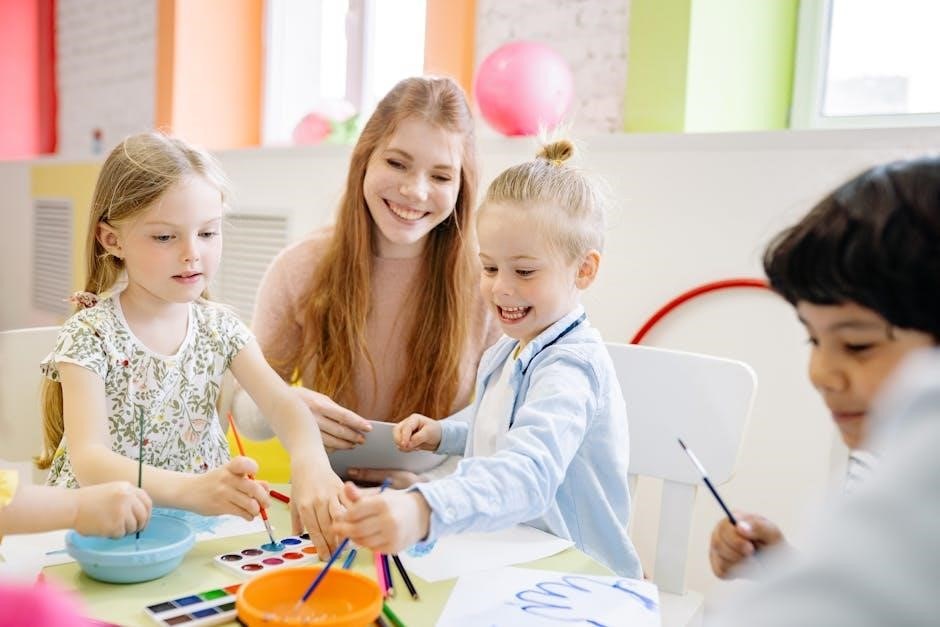
Over the following decades, this initial momentum continued to build. The desire for educational choice grew, leading to the development of diverse models within both the private and public sectors; Parents and educators alike sought alternatives that prioritized student engagement, personalized learning, and the development of critical thinking skills.
This rise wasn’t without its challenges, navigating issues of funding, accreditation, and public perception. However, the core principle – that education should be tailored to the individual – remained a driving force, shaping the evolution of guiding school philosophies and practices to this day.
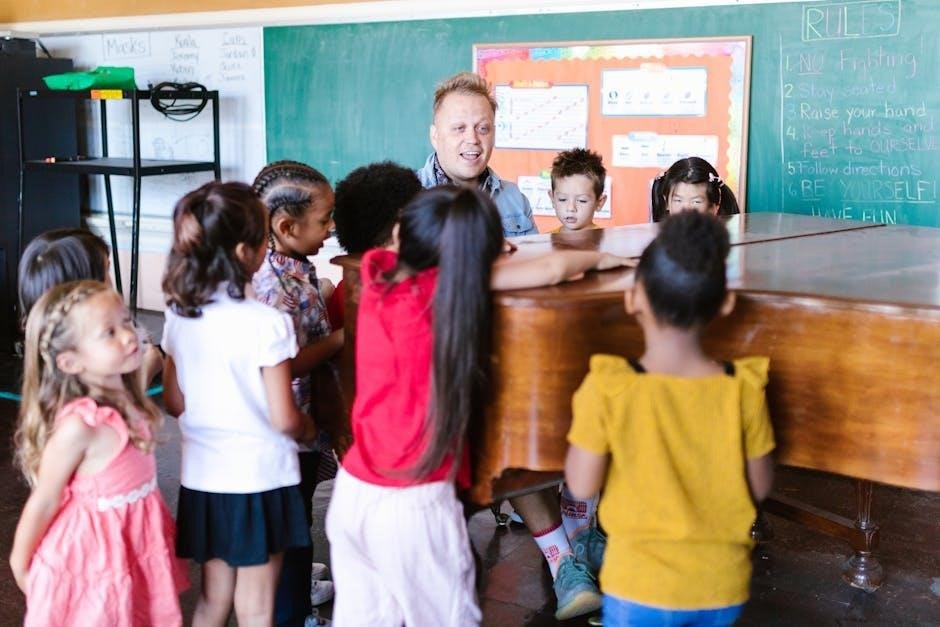
The Limitations of Traditional Education Models
Traditional education, often characterized by a “one-size-fits-all” approach, frequently falls short in addressing the diverse learning styles and individual preferences of students. This conventional model heavily emphasizes rote memorization and standardization, often prioritizing the transmission of established facts over fostering genuine understanding and critical thought.
A core limitation lies in its inherent rigidity. The curriculum, pacing, and assessment methods are often uniform, leaving little room for personalized learning experiences that cater to a student’s unique strengths and needs. This can lead to disengagement, frustration, and a diminished sense of ownership over the learning process.
Furthermore, traditional models often fail to adequately prepare students for the complexities of the real world. The emphasis on standardized testing and academic skills can overshadow the development of crucial life skills such as creativity, problem-solving, and adaptability. Alternative education methods, therefore, emerge as a response to these shortcomings, seeking to provide a more holistic and effective learning experience.
Key Principles of Guiding School Philosophies
Guiding school philosophies fundamentally challenge the conventional, authoritarian “transmission model” of education. Instead of viewing knowledge as a fixed entity to be imparted, these approaches recognize learning as an active, experiential process deeply rooted in the learner’s individual experiences and preferences.
Central to these philosophies is the belief in student agency and self-direction. Learners are not passive recipients of information but active participants in shaping their own educational journeys. This fosters a sense of ownership and intrinsic motivation, encouraging students to pursue their interests and develop a lifelong love of learning.
Personalization is another cornerstone, acknowledging that each student learns differently. Guiding schools prioritize individualized learning paths, flexible pacing, and diverse assessment methods. They emphasize holistic development, nurturing not only academic skills but also creativity, critical thinking, and social-emotional intelligence, preparing students for real-world challenges.
Personalized Learning Approaches
Personalized learning, a hallmark of guiding schools, moves decisively away from the “one-size-fits-all” model that often fails to meet diverse student needs. It acknowledges that learners possess unique strengths, weaknesses, interests, and learning styles, demanding a tailored educational experience.
These approaches often involve individualized learning plans developed collaboratively between students, educators, and sometimes parents. Flexible pacing allows students to progress at their own speed, mastering concepts before moving on. Diverse assessment methods, beyond traditional tests, provide a more comprehensive understanding of student learning.
Technology frequently plays a role, offering adaptive learning platforms and access to a wealth of resources. However, personalization isn’t solely tech-driven; it emphasizes strong student-teacher relationships and a deep understanding of each learner’s individual profile. The goal is to cultivate intrinsic motivation and empower students to take ownership of their education, fostering a lifelong passion for knowledge.
Montessori Education
Montessori education, a pioneering guiding school philosophy, emphasizes child-led learning within a carefully prepared environment. Developed by Maria Montessori, it centers on the belief that children possess an innate drive to learn and explore, and thrive when given the freedom to do so.
Classrooms are designed to foster independence, with age-appropriate materials arranged to encourage self-directed activity. Multi-age groupings allow peer learning and mentorship. The educator acts as a facilitator, observing and guiding students rather than directly instructing.
Practical life exercises, sensorial materials, and academic activities are integrated to develop the whole child – cognitive, social, emotional, and physical. A key principle is “sensitive periods,” recognizing times when children are particularly receptive to learning specific skills. Montessori aims to cultivate concentration, motivation, self-discipline, and a love of learning, preparing students for lifelong success.
Waldorf Education (Steiner Schools)
Waldorf education, founded by Rudolf Steiner, presents a holistic approach to learning, nurturing the intellectual, artistic, and practical skills of the child. It emphasizes a developmental approach, recognizing distinct stages of childhood and tailoring the curriculum accordingly. Learning unfolds through imagination, creativity, and experiential activities.
Unlike traditional schooling, Waldorf education delays formal academics in early years, focusing instead on play, storytelling, and artistic expression – painting, music, and drama. This fosters a strong foundation for later learning. The curriculum integrates arts and academics, believing they are inseparable.
Teachers strive to build long-term relationships with students, accompanying them through multiple grades. This allows for deep understanding of each child’s individual needs. Waldorf schools aim to cultivate free-thinking individuals equipped with moral imagination and a sense of social responsibility, preparing them to be active, engaged citizens.
Reggio Emilia Approach
The Reggio Emilia approach, originating in post-war Italy, views children as capable and resourceful learners, possessing inherent rights and potential. It emphasizes a child-centered, constructivist pedagogy where learning emerges from exploration, discovery, and collaborative projects. The environment is considered the “third teacher,” carefully designed to be stimulating and inviting.
Central to this approach is the “hundred languages of children,” recognizing diverse ways children express themselves – through drawing, painting, sculpting, building, dramatic play, and more. Teachers act as researchers, observing and documenting children’s learning processes, then responding with thoughtful provocations.
Projects are long-term investigations driven by children’s interests, fostering deep engagement and critical thinking. Collaboration between children, teachers, and families is paramount. The Reggio Emilia approach prioritizes aesthetic experiences, believing beauty and art are essential components of learning and development, cultivating a sense of wonder and joy.
Democratic Schools and Student-Led Learning
Democratic schools represent a radical departure from traditional hierarchical structures, placing students at the center of decision-making processes. These institutions operate on principles of self-governance, where students actively participate in shaping the school’s policies, curriculum, and overall environment. This fosters a sense of ownership and responsibility for their education.
Student-led learning emphasizes agency and autonomy, allowing students to pursue their interests and passions with minimal adult direction. Curriculum often emerges organically from student inquiries and collaborative projects, rather than being pre-determined by teachers. Meetings and committees, often involving both students and staff, are used to address school issues and resolve conflicts.
The role of the educator shifts from instructor to facilitator, guiding and supporting students’ learning journeys without imposing rigid control. Democratic schools aim to cultivate critical thinking, problem-solving skills, and a commitment to social justice, preparing students to be active and engaged citizens.
Unschooling and Homeschooling as Guiding School Alternatives
Both unschooling and homeschooling represent significant departures from conventional schooling, offering highly individualized learning experiences. While homeschooling often involves a structured curriculum delivered at home, unschooling takes a more organic approach, driven entirely by the child’s interests and real-life experiences. Learning isn’t confined to specific times or places; it’s integrated into everyday activities.
These approaches align with guiding school philosophies by prioritizing personalized learning and fostering intrinsic motivation. Unschooling, in particular, rejects the notion of a fixed curriculum, believing that children learn best when pursuing their passions. Parents act as facilitators, providing resources and support as needed, rather than dictating what and how their children learn.
Both options offer flexibility and the opportunity to tailor education to a child’s unique needs and learning style. They represent a powerful alternative for families seeking to escape the limitations of standardized education and embrace a more student-centered approach to learning, emphasizing real-world application.
Open Classroom Models
Open classroom models emerged as a direct response to the perceived rigidity and limitations of traditional schooling. These environments prioritize flexibility, collaboration, and student agency, moving away from the teacher-centered, lecture-based approach. Physical spaces are often designed to be multi-functional, encouraging movement and interaction, and breaking down the traditional classroom structure of rows of desks facing a single authority figure.
A core principle of open classrooms is the belief that children learn best through active exploration and self-directed learning. Teachers act as facilitators, providing guidance and resources, but allowing students to choose their activities and pace their learning. This approach fosters independence, responsibility, and a love of learning.
These models align with guiding school philosophies by emphasizing personalized learning and catering to diverse learning styles. They represent a shift towards a more holistic and student-centered educational experience, preparing students for real-world challenges that demand adaptability and collaboration.
The Role of the Educator in Guiding Schools
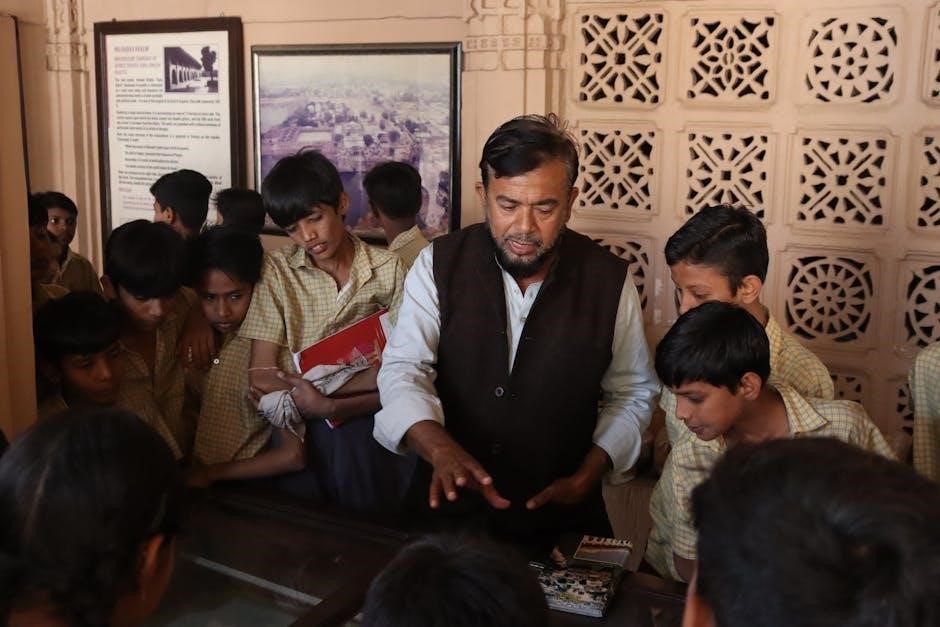
In guiding schools, the educator’s role dramatically shifts from a traditional “sage on the stage” to a facilitator, mentor, and co-learner. This transformation acknowledges that knowledge isn’t simply transmitted to students, but actively constructed by them. Educators observe, guide, and provide resources, fostering independent thinking and problem-solving skills.
Rather than dictating curriculum, educators in these settings curate learning experiences tailored to individual student needs and interests. They create a supportive environment where exploration, experimentation, and even failure are seen as valuable learning opportunities. This requires a deep understanding of child development and diverse learning styles.
The educator’s role also involves fostering a strong sense of community and collaboration, encouraging students to learn from one another. It’s about empowering students to take ownership of their learning journey, cultivating intrinsic motivation and a lifelong love of knowledge, moving away from a one-way, authoritarian process.
Fostering Creativity and Critical Thinking
Guiding schools prioritize fostering creativity and critical thinking, recognizing these as essential skills for navigating a complex world. Unlike traditional models focused on rote memorization and standardization, these environments encourage students to question, explore, and innovate. Open-ended projects, inquiry-based learning, and artistic expression are central to the curriculum.
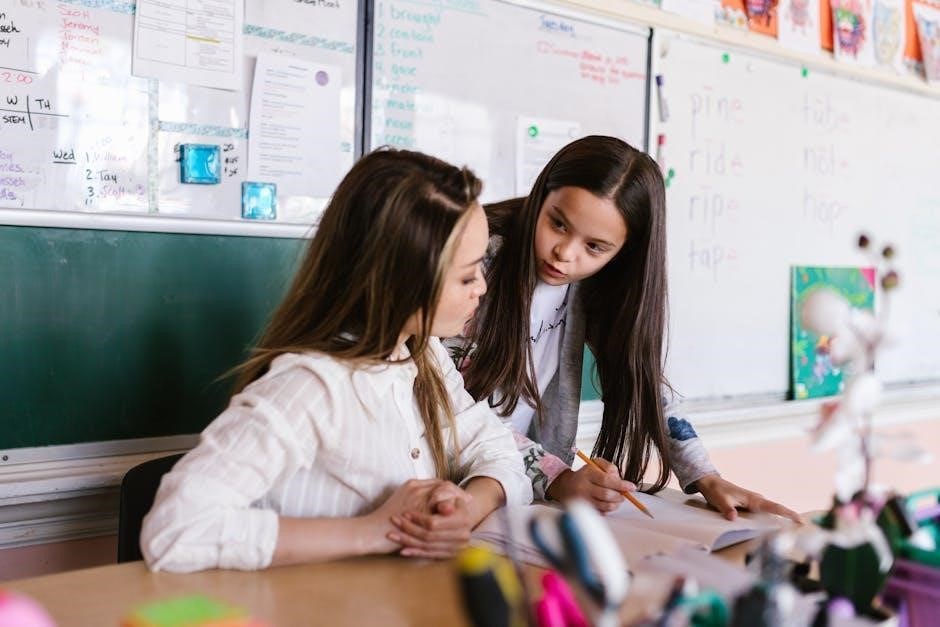
Students are challenged to analyze information, evaluate different perspectives, and form their own informed opinions. This isn’t about finding the “right” answer, but about the process of thinking critically and creatively to solve problems. Collaboration and peer feedback are also vital components, allowing students to learn from diverse viewpoints.
By moving away from a one-size-fits-all approach, guiding schools create space for students to pursue their passions and develop unique talents. This cultivates intrinsic motivation and a deeper engagement with learning, preparing them not just for academic success, but for a fulfilling and impactful life.
Addressing Diverse Learning Needs
A core tenet of guiding schools is recognizing and responding to the diverse learning needs of each student. The conventional, “one-size-fits-all” model often falls short, failing to cater to individual preferences, learning styles, and paces. Guiding schools, conversely, embrace differentiation and personalization as fundamental principles.
This means educators employ a variety of strategies, including individualized learning plans, flexible grouping, and multi-sensory instruction. Students who learn best visually, auditorily, or kinesthetically are provided with opportunities that align with their strengths. Support systems are also in place for students with learning differences or special needs, ensuring equitable access to education.
The goal isn’t to force students to conform to a rigid standard, but to meet them where they are and provide the support they need to thrive. By valuing individuality and fostering a sense of belonging, guiding schools empower all students to reach their full potential, regardless of their background or learning profile.
The Impact of Guiding Schools on Student Outcomes
Guiding schools aim to cultivate more than just academic proficiency; they prioritize holistic student development. Unlike traditional models focused on rote learning and standardization, these approaches foster creativity, critical thinking, and a genuine love for learning. This translates into students better prepared for real-world challenges.
Research suggests that students in guiding school environments demonstrate increased engagement, improved self-esteem, and a stronger sense of agency over their education. Personalized learning pathways cater to individual needs, leading to greater academic gains and reduced achievement gaps. Furthermore, the emphasis on collaboration and problem-solving equips students with essential 21st-century skills.
While standardized test scores remain a metric, guiding schools often prioritize deeper understanding and the ability to apply knowledge in meaningful contexts. The ultimate outcome is the development of well-rounded, adaptable individuals who are not only knowledgeable but also passionate, resourceful, and prepared to contribute positively to society.
Public vs. Private Guiding School Options
The landscape of guiding schools encompasses both public and private institutions, each presenting distinct advantages and considerations. Historically, public education prioritized uniformity, but a grassroots revolution since the 1960s has spurred the emergence of alternative programs within the public sector. These often include magnet schools with specialized focuses or innovative classroom models.
Private guiding schools, such as Montessori and Waldorf institutions, typically offer a more established and comprehensive implementation of their respective philosophies. They often have greater autonomy in curriculum design and pedagogical approaches. However, this comes with the financial commitment of tuition fees.
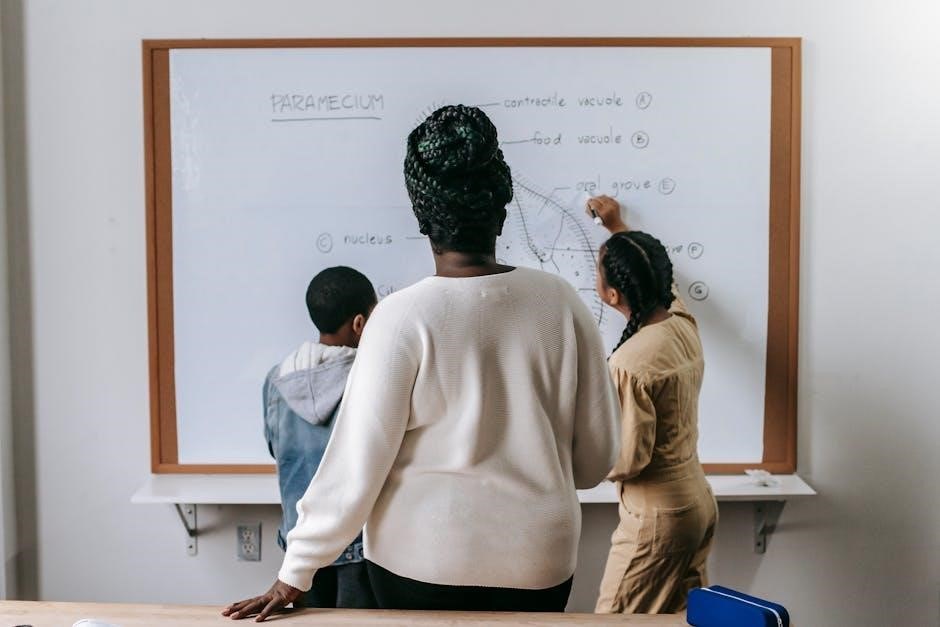
Public options provide accessibility and inclusivity, while private schools may offer smaller class sizes and more individualized attention. The “choice” movement advocates for expanding public school options, including charter schools, to provide families with greater control over their children’s education. Ultimately, the best fit depends on a family’s values, resources, and the specific needs of the student.
International Perspectives on Guiding Schools
The principles underpinning guiding schools – personalized learning, student agency, and holistic development – resonate globally, though their implementation varies significantly across cultures. While the United States witnessed a surge in alternative schooling from the 1960s onward, similar movements emerged independently in other nations, often influenced by distinct philosophical and pedagogical traditions.
For example, the Reggio Emilia approach, originating in Italy, emphasizes collaborative learning and the environment as a “third teacher.” Scandinavian countries often prioritize play-based learning and social-emotional development. Germany’s Waldorf education has a strong international presence, adapting to local contexts while maintaining core tenets.
These international examples demonstrate that the desire to move beyond conventional, one-size-fits-all education is universal. However, factors like government funding, cultural norms, and teacher training significantly shape the availability and accessibility of guiding school options worldwide. Comparative studies reveal valuable insights into effective practices and potential challenges.
Resources for Parents and Educators
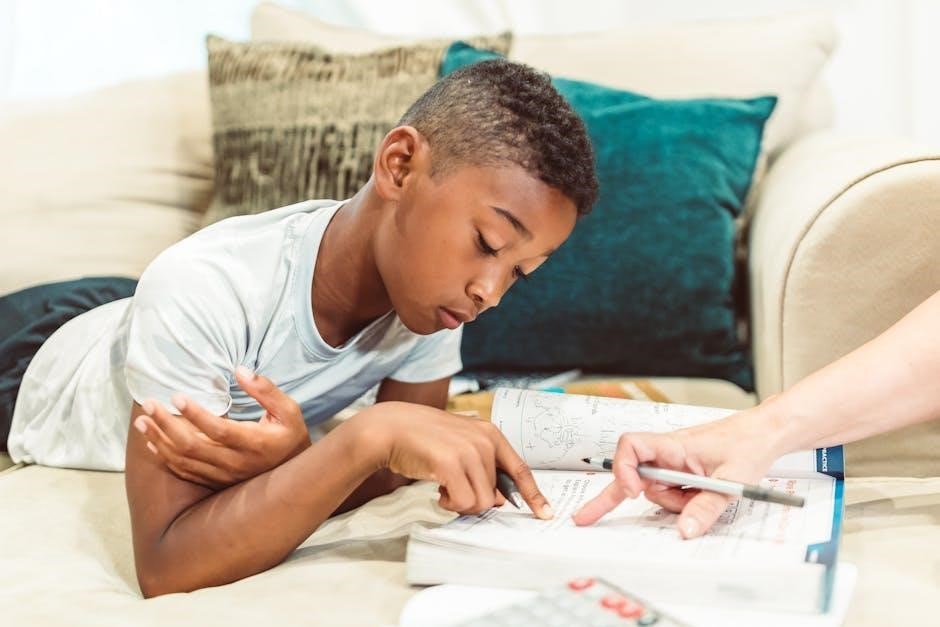
Navigating the landscape of guiding schools requires access to reliable information and supportive networks. For parents seeking alternative options, the Alternative Education Resource Organization provides a comprehensive directory and valuable insights into various approaches. Education Revolution offers articles and resources exploring innovative educational models.
Educators interested in implementing guiding school principles can benefit from professional development opportunities focused on personalized learning, differentiated instruction, and student-led learning strategies. Organizations like the Association for Supervision and Curriculum Development (ASCD) offer relevant resources and workshops.
Online communities and forums dedicated to specific methodologies – Montessori, Waldorf, Reggio Emilia – provide platforms for sharing best practices and connecting with like-minded professionals. StateUniversity.com provides a broad overview of alternative schooling types. Further research into local school options and attending information sessions are also crucial steps.