audi q7 owner’s manual

Vehicle Overview and Model Variants
The 2016‑2025 Audi Q7 offers three trim levels—Premium, Premium Plus, and Prestige—each with distinct luxury features. The Q7’s 3.0‑liter V6 and optional 2.0‑liter TFSI engines deliver 335‑400 hp, while the 4‑wheel‑drive system ensures robust off‑road capability. Available in wheel sizes, color options. new!?2026.?
The 2016‑2025 Audi Q7 offers three trim levels—Premium, Premium Plus, and Prestige—each with distinct luxury features. The Q7’s 3.0‑liter V6 and optional 2.0‑liter TFSI engines deliver 335‑400 hp, while the 4‑wheel‑drive system ensures robust off‑road capability. Available in wheel sizes, color options. new!?2026.?

Exterior Features and Lighting Systems
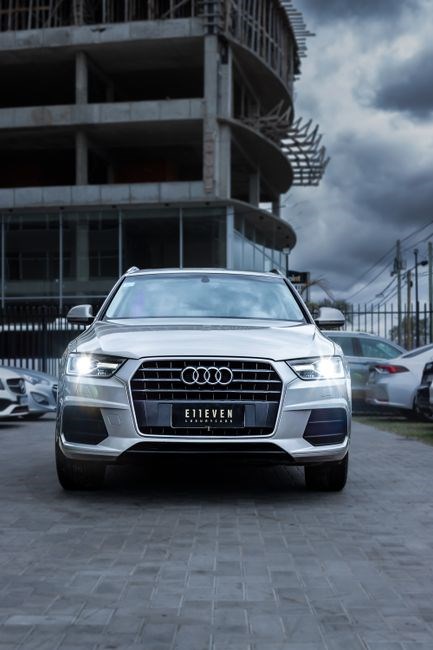
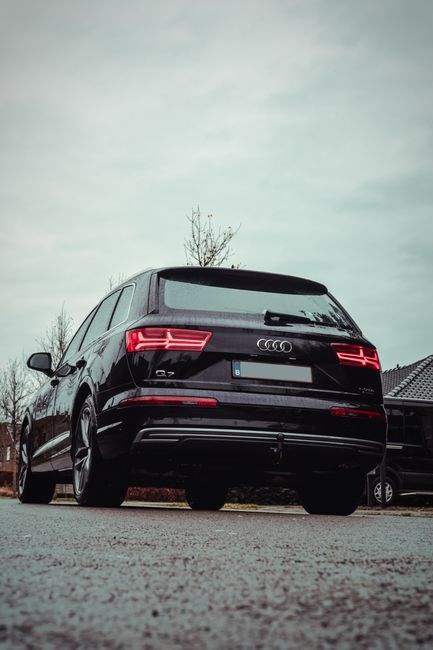
The Audi Q7’s exterior showcases a blend of aggressive styling and functional design. The front fascia features a bold, chrome‑trimmed grille, LED matrix headlights, and a signature “Audi” logo that projects a refined presence. The LED daytime running lights (DRLs) are integrated into the headlamp housing, providing enhanced visibility and a modern aesthetic. Adaptive LED headlights automatically adjust beam patterns for cornering and high‑speed driving, ensuring optimal illumination without dazzling oncoming traffic. The Q7’s daytime running lights are paired with LED fog lamps, which offer improved visibility in adverse weather conditions.
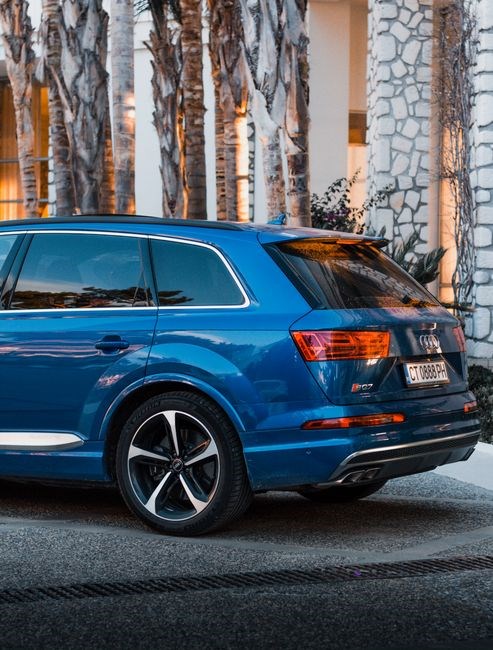
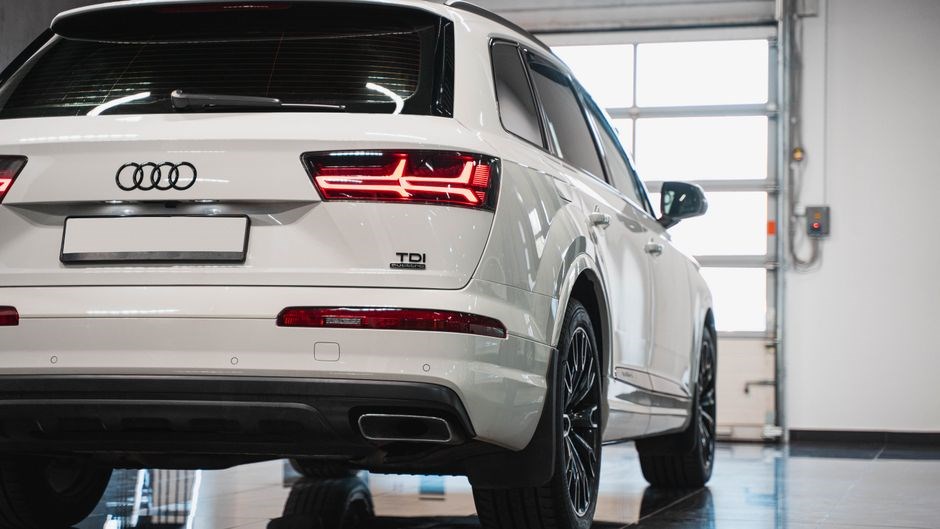
The rear of the Q7 features LED tail lights with a dynamic turn‑signal system that intensifies as the vehicle approaches a turn. The brake lights activate upon pedal depression, providing clear communication to trailing vehicles. An optional rear spoiler on higher trims adds aerodynamic efficiency while enhancing the SUV’s aggressive stance. The vehicle’s exterior is complemented by a range of wheel options, including 19‑inch alloy wheels with a distinctive multi‑spoke design. Optional 20‑inch wheels are available for a more commanding appearance. The Q7’s paint options include a selection of metallic and pearl finishes, each designed to reflect light and accentuate the vehicle’s contours. Chrome accents on the door handles, side mirrors, and roof rails add a touch of luxury to the overall aesthetic.
Features include adaptive cruise control.!
Interior Design and Comfort Features
The Audi Q7’s cabin is engineered for luxury and practicality, blending premium materials, ergonomic design, and advanced tech. Premium leather upholstery, available in rich colors, is paired with soft‑touch Alcantara on the steering wheel and shift lever, creating a tactile contrast that elevates the driving experience.
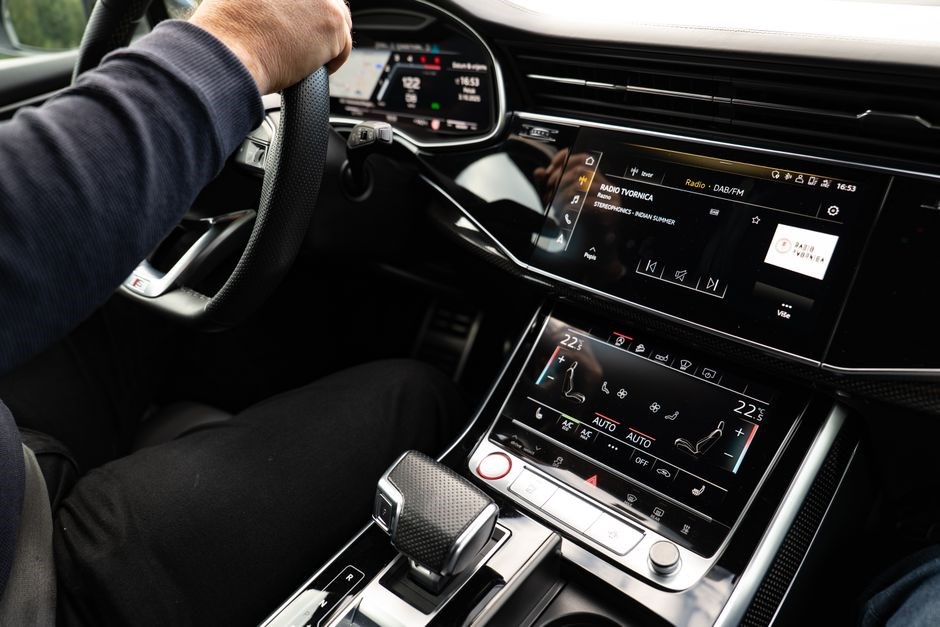
Ambient lighting, selectable in multiple colors, sets a customizable atmosphere, adjustable via the central infotainment display or voice commands. A panoramic sunroof extends openness, while a high‑definition rear‑view camera and 360° surround‑view system enhance situational awareness and ease of parking.
Audio quality is paramount, with a premium Bang & Olufsen sound system available in select trims, delivering crystal‑clear sound across the cabin. The infotainment interface, powered by MMI touch, integrates navigation, smartphone connectivity via Apple CarPlay and Android Auto, and an intuitive voice‑control system that reduces driver distraction.
All interior surfaces are designed for durability and ease of maintenance, featuring high‑quality upholstery that resists wear, a central console with ample storage, brushed aluminum trim, soft‑touch panels, and a sound‑deadening system that reduces road noise, creating a serene environment for occupants.
All features are built for durability and easy maintenance and comfort!!..

Infotainment and Connectivity Options
The Audi Q7’s infotainment system centers on the MMI touch interface, delivering a responsive, intuitive experience that merges navigation, media, and vehicle settings into a single, streamlined display. Depending on the trim, the system can feature an 8.8‑inch or a 10.1‑inch touchscreen, equipped with high‑resolution graphics and a touchpad for precise control of vehicle functions. The interface supports Apple CarPlay and Android Auto, enabling seamless integration of smartphones for calls, messages, music, and navigation apps. Bluetooth connectivity provides hands‑free calling and audio streaming, while USB ports allow direct media playback and device charging. The system also integrates with Amazon Alexa and Google Assistant, allowing voice‑controlled access to weather, traffic, and calendar information.
Audio quality is elevated through the optional Bang & Olufsen sound system, delivering crystal‑clear sound across the cabin with a powerful subwoofer and multiple tweeters. The system can be controlled via the MMI touch screen or a dedicated steering‑wheel audio control panel, and it supports a variety of audio formats, including high‑resolution files. Voice control is integrated into the MMI system, allowing drivers to issue commands for navigation, media, phone calls, and climate controls without taking their hands off the wheel. A “one‑touch” function can be customized to launch a preferred app or function instantly. The system’s adaptive sound feature automatically adjusts audio levels based on cabin noise and driving conditions.
Additional connectivity options include a 4G LTE data connection for real‑time traffic updates, over‑the‑air software updates, and a built‑in navigation system with real‑time traffic information. The Q7’s infotainment system also supports a “smartphone mirroring” feature that projects the phone’s screen onto the central display, providing a larger view for navigation or media. The system’s Wi‑Fi hotspot can support up to eight devices simultaneously, ensuring all passengers stay connected. All of these features are designed to keep drivers informed, entertained, and connected while maintaining a focus on safety and convenience.
Powertrain and Performance Specifications
The 2016‑2025 Audi Q7 is powered by turbocharged inline‑six and four‑stroke engines. The base 3.0‑liter V6 delivers 335 hp and 369 lb‑ft torque, while the optional 2.0‑liter TFSI four‑stroke offers 286 hp and 295 lb‑ft torque. Both pair with a 7‑speed S tronic dual‑clutch gearbox that provides quick, smooth shifts and a manual mode for enthusiasts. The all‑wheel‑drive system uses torque‑vectoring to balance power between front and rear axles, improving traction. Acceleration from 0 to 60 mph is about 6.5 seconds for the V6 and 7.0 seconds for the TFSI. The top speed is electronically limited to 155 mph. The Q7’s suspension features a multi‑link rear with adaptive dampers and a MacPherson strut front, delivering a comfortable ride. Variable‑ratio electric steering offers light steering at low speeds and firm feedback at higher speeds. Braking uses ventilated discs on all wheels, with ABS for safety. Fuel economy is rated 20 mpg city, 27 mpg highway, and 23 mpg combined for the V6, and 21 mpg city, 28 mpg highway, and 24 mpg combined for the TFSI. Emissions meet Euro 6 standards, and a mild‑hybrid option recovers energy during braking, boosting efficiency. This combination of robust engines, advanced drivetrain, and adaptive suspension makes the Q7 versatile for daily driving and spirited performance. Additionally, the Q7’s 48‑volt mild‑hybrid system assists the engine during acceleration and recovers kinetic energy during braking, improving fuel efficiency by up to 5 %. Its cooling system features a high‑capacity radiator and electric coolant pump to maintain optimal temperatures. The reinforced steel chassis with crumple zones boosts structural rigidity and occupant protection plus saf

Transmission and Gearbox Operations
The Audi Q7’s transmission system is built around a 7‑speed S tronic dual‑clutch gearbox that delivers rapid, seamless gear changes and efficient power delivery. The gearbox is paired with both the 3.0‑liter V6 and the 2.0‑liter TFSI engines, offering a consistent driving experience across the model range. In normal operation, the S tronic automatically selects the optimal gear based on speed, throttle input, and driving mode, ensuring smooth acceleration and responsive handling. A manual mode is available, allowing drivers to manually select gears via paddle shifters mounted on the steering wheel or a traditional gear lever, providing a more engaging driving feel. The dual‑clutch design reduces shift times to less than 200 milliseconds, minimizing torque interruption and improving fuel economy. The gearbox also features a lock‑up torque converter that engages at higher speeds to reduce parasitic losses, further enhancing efficiency. For safety and durability, the transmission includes an electronic control unit that monitors temperature, pressure, and wear, adjusting shift points and clutch engagement accordingly. The Q7’s all‑wheel‑drive system works in tandem with the gearbox to distribute torque between front and rear axles, improving traction and stability. Regular maintenance, such as fluid checks and filter changes, is essential to preserve the gearbox’s performance and longevity. The Q7’s transmission is designed to handle high torque loads, with reinforced gear teeth and a robust housing that withstands everyday use and spirited driving alike. All parts are engineered.
Suspension, Steering, and Braking Systems
The Audi Q7’s suspension system combines a front MacPherson strut with a rear multi‑link arrangement. On higher trims, an adaptive air suspension lets drivers lower the vehicle by up to 2 inches for a sportier stance or raise it for clearance, controlled for across road conditions; The steering system employs a variable‑ratio electric power‑assist unit, providing precise feedback while reducing effort at low speeds and enhancing stability at high speeds. Integrated sensors continuously monitor torque and adjust assist levels accordingly.
Braking is handled by a dual‑disc front system and a single rear disc, both equipped with ABS, ESP, and a brake‑force distribution module. Optional regenerative braking in hybrid variants captures kinetic energy during deceleration, feeding it back into the battery. Composite pads maintain consistent friction, and the stability control system works with braking and steering to mitigate skidding by applying selective brake pressure. This system ensures that braking force is distributed appropriately across all wheels, enhancing vehicle stability during stops.
Regular maintenance—checking fluid levels, inspecting ABS sensors, and inspecting suspension bushings—ensures optimal performance. The Q7’s design also includes a dual‑stage brake‑pad system that switches to a secondary pad when the primary pad wears, extending service life. Overall, the suspension, steering, and braking systems provide a balanced driving experience that combines comfort, agility, and safety across a wide range of driving scenarios. This integrated approach allows drivers to enjoy handling in city traffic and challenging off‑road conditions, while maintaining maintenance costs.
Owners are encouraged to follow the manufacturer’s recommended service intervals to preserve the vehicle’s performance and safety features!!
Advanced Driver Assistance Systems (ADAS)
The Audi Q7’s ADAS suite integrates multiple safety technologies that work together to reduce driver workload and enhance road safety. The system includes a forward‑looking camera, radar, and ultrasonic sensors that feed data into the vehicle’s central processing unit. This data is used to power features such as Adaptive Cruise Control, Traffic Jam Assist, Lane Departure Warning, and Lane Keeping Assist. The Adaptive Cruise Control system maintains a preset distance from the vehicle ahead by automatically adjusting throttle and braking, while the Traffic Jam Assist can take over steering, acceleration, and braking in congested traffic conditions, allowing the driver to rest or perform other tasks.
Lane Departure Warning alerts the driver with visual and audible cues if the vehicle begins to drift out of its lane without a turn signal. If the driver does not correct the drift, the system can also provide a gentle reminder. The Lane Keeping Assist uses steering inputs to keep the vehicle centered. The 360‑degree camera system offers a bird’s‑eye view for parking and low‑speed maneuvering, and the Surround‑View Monitor displays real‑time images from all cameras on the infotainment screen. The Blind‑Spot Monitor warns of vehicles in adjacent lanes, and the Rear‑Cross Traffic Alert detects approaching traffic when reversing.
Driver monitoring spots drowsiness. If fatigue is detected, the system issues a reminder and can trigger a safe quick stop. The Pre Sense system detects pedestrians and large animals, applying brakes to avoid collisions.
Maintenance Schedule and Service Intervals
Regular maintenance for the Audi Q7 is critical to preserve performance and reliability. The owner’s manual recommends a structured service schedule based on mileage and time intervals. Every 10,000 miles or 12 months, perform a full inspection that includes brake fluid, power steering fluid, and coolant levels, as well as a visual check of the suspension and steering components. Oil and filter replacement is required every 15,000 miles or 18 months, whichever comes first, using the manufacturer‑specified synthetic blend. The air filter should be inspected at each oil change and replaced every 30,000 miles or 36 months. Cabin and engine‑air filters are due at 20,000 miles or 24 months. The transmission fluid and filter are to be replaced at 60,000 miles or 60 months, while the differential fluid requires a change at 90,000 miles or 72 months. Tire rotation and alignment checks are scheduled every 10,000 miles to maintain even wear. Brake pad wear is monitored at each service; replace pads when thickness falls below 3 mm. The battery should be tested annually, and the charging system inspected at 30,000‑mile intervals. All service records must be kept in the vehicle’s logbook, and any warranty‑covered repairs should be performed at an authorized Audi service center. Failure to adhere to these intervals may void warranty coverage and increase long‑term maintenance costs. Regular adherence to these intervals safeguards engine longevity, preserves resale value, and aligns with Audi’s warranty stipulations, thereby minimizing unexpected maintenance expenses. Updates are logged!!
Fluid Types and Replacement Procedures
For the Audi Q7, the manufacturer specifies several critical fluid types that must be maintained at recommended intervals. Engine oil should be 5W‑40 synthetic blend, changed every 15,000 miles or 18 months. Transmission fluid is Audi’s ATF+2, replaced at 60,000 miles or 60 months. Differential fluid is 0W‑40, replaced at 90,000 miles or 72 months. Brake fluid is DOT 4, replaced every 24 months. Coolant is a 50/50 mix of ethylene glycol and distilled water, replaced at 120,000 miles or 120 months. Power steering fluid is 0W‑40, replaced at 60,000 miles or 60 months. Air conditioning refrigerant (R134a) should be checked annually; recharge if below 90% capacity. The replacement procedure involves draining the old fluid, refilling with fresh fluid, and checking for leaks. Use a calibrated dipstick for oil, a pressure gauge for transmission, and a temperature gauge for coolant. Regularly inspect fluid levels with a calibrated dipstick and record the temperature of the coolant at idle! A thermal anomaly may indicate cooling system issues that require immediate attention by an authorized service center. Always follow the vehicle’s service manual for exact steps, including torque specifications for fluid reservoir caps. Proper fluid maintenance ensures optimal engine performance, reduces wear, and extends component life. Failure to replace fluids on schedule can lead to costly repairs and may void warranty coverage. Keep a log of all fluid changes in the owner’s manual logbook for future reference and resale value.
Troubleshooting Common Issues
When the Audi Q7 displays warning lights or experiences performance irregularities, a systematic approach can isolate the root cause. First, consult the instrument cluster for specific fault codes; the Q7’s on‑board diagnostics will flash a short‑code sequence that can be cross‑referenced with the service manual. Common issues include: a malfunctioning TPMS sensor, which triggers a low‑pressure warning; a faulty coolant temperature sensor, leading to erratic engine maps; a clogged EGR valve, causing rough idling; and a degraded brake‑pad wear sensor, resulting in a persistent ABS light. For each, the procedure is: 1) Verify the sensor’s electrical continuity with a multimeter; 2) Inspect the sensor connector for corrosion or loose pins; 3) Replace the sensor if resistance deviates from the spec; 4) Clear the fault code via the OBD‑II port and confirm the warning has disappeared. If a fault persists after replacement, inspect the associated wiring harness for damage, and check the relevant ECU for updates. For the TPMS, a quick reset can be performed by cycling the ignition and pressing the TPMS button until the light blinks twice; if the light remains, a sensor replacement is required. In cases of a rough idle or hesitation, a vacuum line inspection is recommended; a cracked line can introduce air into the intake manifold, causing misfires. For ABS or traction‑control warnings, inspect the wheel‑speed sensors for debris, and clean or replace them as needed. By following these troubleshooting steps, owners can often resolve minor issues independently, reducing downtime and maintenance costs. Check dealer for warranty‑covered repairs and maintenance
Warranty Coverage and Service Contract Details
The Audi Q7’s original warranty provides a 4‑year/50,000‑mile limited powertrain coverage and a 4‑year/50,000‑mile bumper‑to‑bumper protection, both transferable to a new owner. The powertrain warranty covers the engine, transmission, and all major drivetrain components, while the bumper‑to‑bumper policy covers body, chassis, and electrical systems, excluding wear items such as tires and brake pads. In addition, the manufacturer offers a 12‑month/12,000‑mile roadside assistance program, which includes towing, battery jump‑start, and lock‑out services. For owners who purchase a certified pre‑owned vehicle, the warranty can be extended to a 5‑year/60,000‑mile term through the Audi Certified Pre‑Owned (CPO) program, with an optional 10‑year/100,000‑mile extended coverage for critical components. Service contracts are available through authorized dealers and can be tailored to cover scheduled maintenance, fluid changes, and key replacements. These contracts typically run for 24 months or 24,000 miles, whichever comes first, and can be renewed annually. All warranty claims must be processed through an Audi‑approved service center, and the vehicle’s VIN must be verified before any work is performed. Owners should retain all receipts and service records, as these documents are required for warranty validation. For detailed coverage limits, exclusions, and claim procedures, consult the “Warranty” section of the official Audi Q7 owner’s manual or visit the Audi website’s warranty portal. The manual also outlines the process for filing a claim, including the required documentation and the time frame for response. Proper adherence to the maintenance schedule is essential to keep the warranty active; failure to do so may result in denial of coverage for related repairs. All claims are subject to the terms outlined in the warranty booklet 2026
Safety and Emergency Procedures
In the event of a collision or stop, Audi Q7’s safety system activates airbags, seat‑belt pretensioners, and stability to maintain control. The emergency brake assist will automatically apply brakes if a collision is detected, reducing stopping distance. If vehicle rolls or skids, traction‑control modulates engine output and brakes to regain traction. Driver should immediately engage emergency brake, shift to neutral, use the hazard lights to alert traffic.
For fire or flooding, Q7’s fire‑safety kit is under rear seat. It includes a fire extinguisher rated for fuel fires, a first‑aid kit, and a flashlight. If flooded, vehicle’s system shuts down automatically when water reaches battery. Disconnect battery and seek professional help.OK If submerged, do not start engine; call emergency services and wait for rescue.
- Always keep the emergency kit in the rear seat.
- Check the fire extinguisher’s pressure gauge monthly.
- Use the vehicle’s built‑in SOS button to call emergency services.
- Follow the “Emergency Exit” procedure in the manual.
- In a rollover, keep the seat belt fastened and use the seat‑belt cutter if trapped.
The Q7 deploys airbags during rollovers and reminds drivers to and fasten belts!
Ensure seat belts are snug for all passengers and check the reminder system now!
For medical emergencies, the Q7’s “Medical Alert” feature can be activated via the infotainment system, sending a pre‑programmed message to emergency contacts. The built‑in emergency call button connects directly to the nearest dispatch center. The owner should review the “Emergency Procedures” chapter, which outlines steps for fire, flooding, and medical incidents, and includes contact numbers for roadside assistance and local emergency services.
Always keep the emergency kit accessible and check all safety features regularly to ensure readiness today.
Keep safety features for performance now;
Key and Security System Features
The Audi Q7’s keyless entry system combines a proximity key fob, RFID chip, and smartphone app. The fob unlocks doors automatically when within 5 cm of the latch, and a silent mode allows discreet entry. A panic button triggers the alarm and notifies the owner’s mobile device.
The Smart Key system requires the driver to press the brake pedal before the engine starts. Remote start can be activated via the infotainment touchscreen or mobile app, allowing cabin to pre‑condition before entry.
- Proximity fob with RFID and BLE, 5 cm range.
- Smart Key with brake‑pedal start.
- Remote start via app (touch).
- Silent mode for entry.
- Alarm: honk, lights, immobilizer.
- Battery indicator for fob.
- Integration with Audi Connect.
- Auto‑lock when fob removed.
Owners should inspect the fob’s battery regularly, replacing it with the supplied screwdriver when low. Keep spare fobs in a secure spot and register them with the vehicle’s central system to prevent unauthorized use. The Q7’s keyless entry can be disabled now by holding the lock button for 15 seconds while the vehicle is in park during maintenance or when the vehicle is left unattended for long periods.
For key or security issues, contact your authorized Audi dealer or visit Audi’s website for troubleshooting guides and firmware updates. Maintenance ensures performance and safety.!
Owner’s Manual Access and Digital Resources
Owners can download the full Q7 owners manual in PDF from Audi’s official site. The PDF is searchable, includes hyperlinks, and is available in multiple languages. The English version is the default for most regions.
Beyond the PDF, Audi offers an interactive e‑manual via the “Audi Connect” portal. Users log in with VIN and password to access a dynamic guide that updates with software patches, recall notices, and service bulletins.
The “Audi Mobile App” hosts a condensed manual. Its “Vehicle Information” section lists key features, safety warnings, and emergency procedures. A “Service Scheduler” lets owners book maintenance directly through the app.
For advanced troubleshooting, the “Audi Service Center” portal hosts a knowledge base with FAQs, diagnostic procedures, and firmware updates. Owners can request live chat with a service advisor.
The “Maintenance Log” feature records each service event and can export a CSV file for personal record keeping. The “Vehicle Health Report” aggregates on‑board diagnostics and highlights pending service items.
Owners may download a printable PDF of the manual from the portal. The PDF contains a table of contents, index, and a laminated emergency sheet that can be clipped to the glove compartment for quick reference. The sheet is durable, reusable service!.